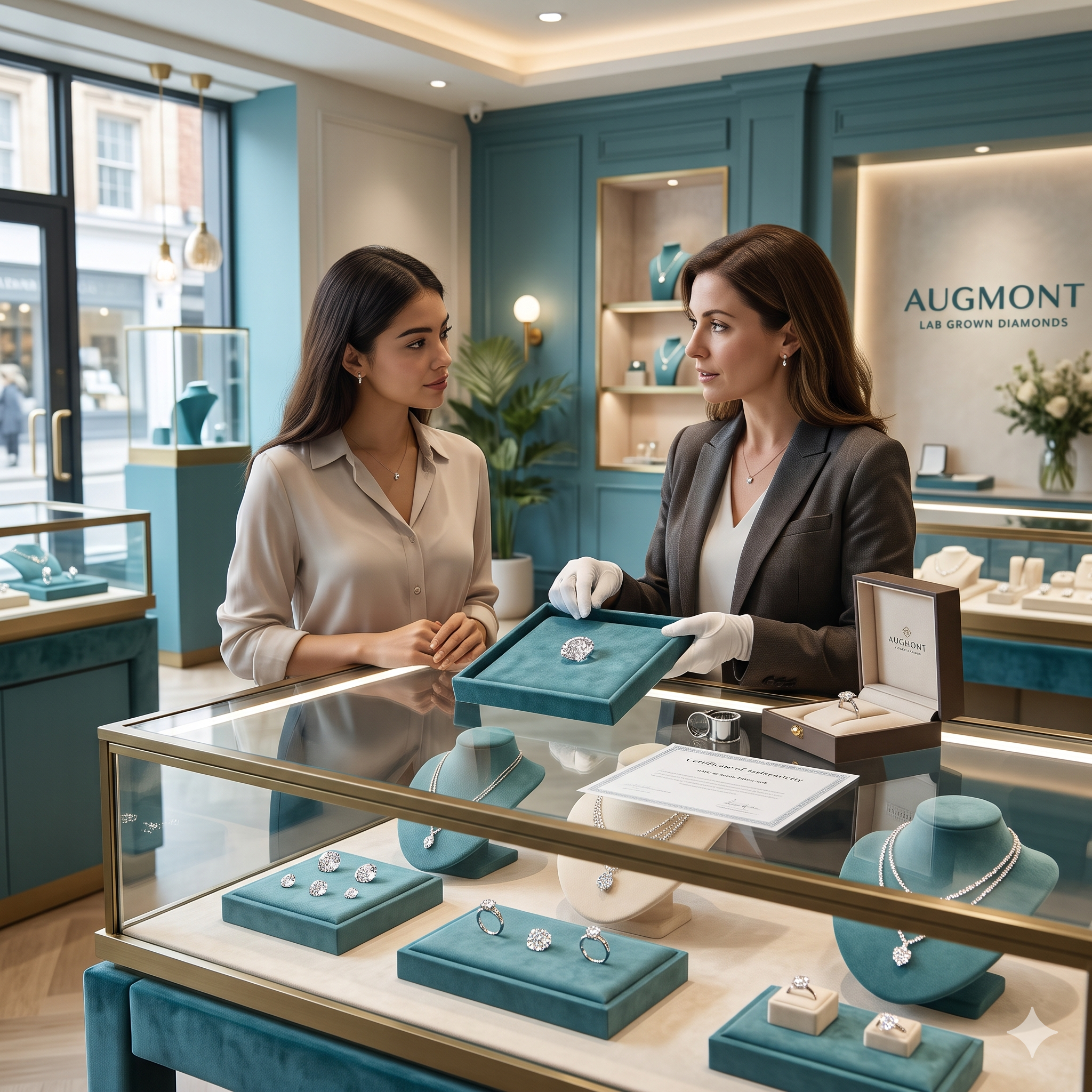
The diamond industry is changing quickly, and lab-grown diamonds are becoming an important part of the B2B jewelry landscape. For retailers, jewelry brands, manufacturers, and distributors, they offer another way to build product portfolios, address changing consumer preferences, and compete across different price segments.
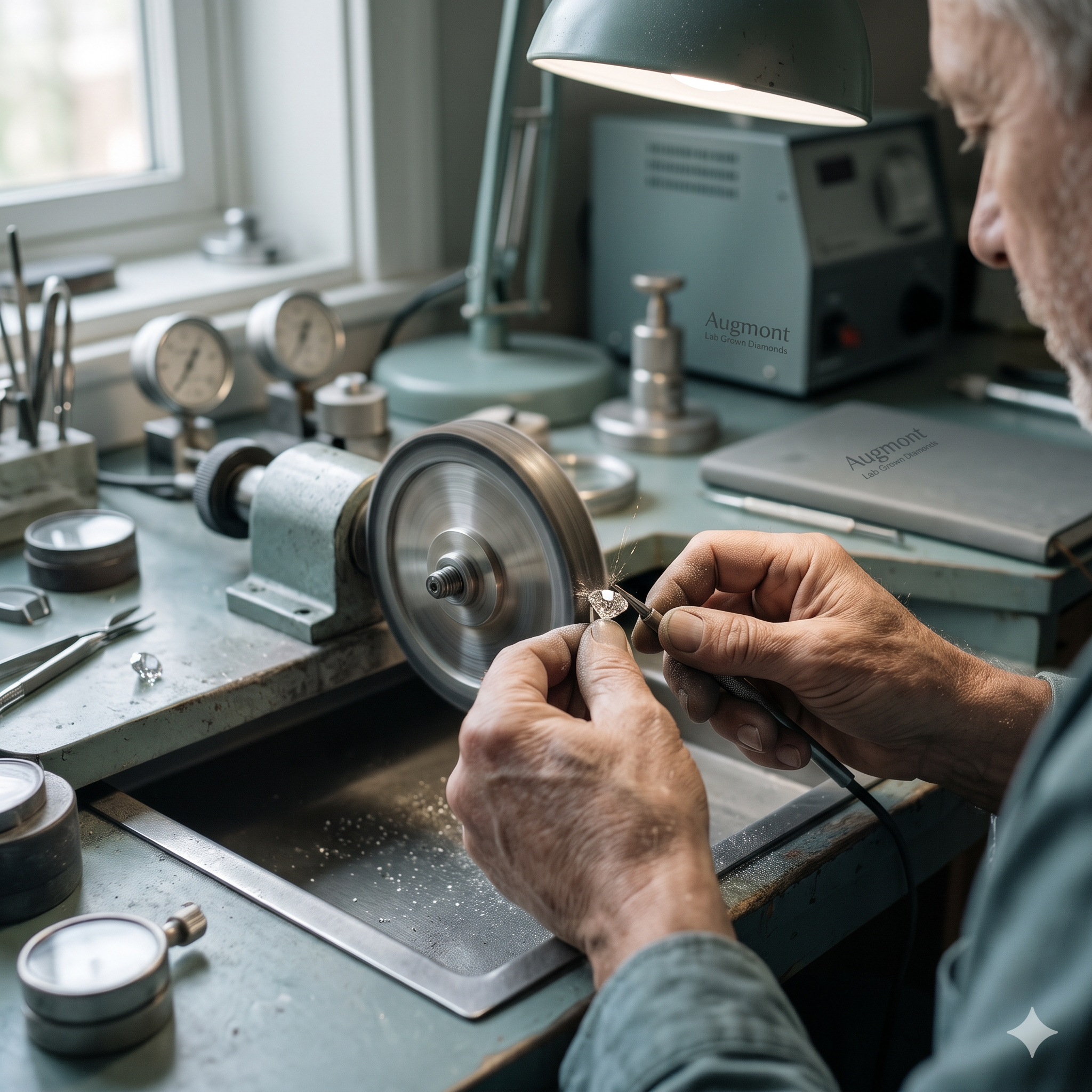
Lab-grown diamonds are created using advanced technology that replicates the conditions under which mined diamonds form. They have the same chemical composition and crystal structure as natural diamonds, while their origin is different. For jewelry and diamond businesses, understanding this distinction is important because it directly influences pricing, sourcing, product positioning, and customer communication.
Why Are Businesses Exploring Lab Grown Diamonds?
- Access to a Different Price Segment: One of the biggest commercial considerations is pricing. Lab-grown diamonds generally cost less than comparable natural diamonds, giving jewelry businesses greater flexibility when developing collections and pricing products. This can help brands reach customers who want the appearance and characteristics of a diamond while working with a different budget.
- More Flexibility in Product Development: Jewelry manufacturers and designers can use lab-grown diamonds across a wide range of products, from engagement rings and earrings to fashion jewellery and custom designs. This allows businesses to experiment with larger stones, distinctive cuts, and contemporary designs while maintaining control over overall product pricing.
- Evolving Consumer Expectations: Today’s jewelry buyers are increasingly interested in understanding where products come from, how they are produced, and how their purchase fits into their broader priorities. For retailers, this creates an opportunity to develop clearer product stories around sourcing, technology, craftsmanship, and value.

What Should Manufacturers and Retailers Consider?
Before adding lab-grown diamonds to a portfolio, businesses should evaluate supplier reliability, certification, grading standards, stone quality, consistency of supply, pricing, and after-sales support. Clear disclosure is equally important. Customers should understand whether they are purchasing a natural or lab-grown diamond, allowing retailers to build trust through transparent communication.
Final Thoughts
Lab-grown diamonds are becoming more relevant to businesses looking to diversify their jewelry offerings and respond to changing market dynamics. For every jewelry retailer, opportunity lies not simply in offering an alternative diamond but in understanding the category, selecting reliable supply partners, and positioning the product clearly for the right customer segments.